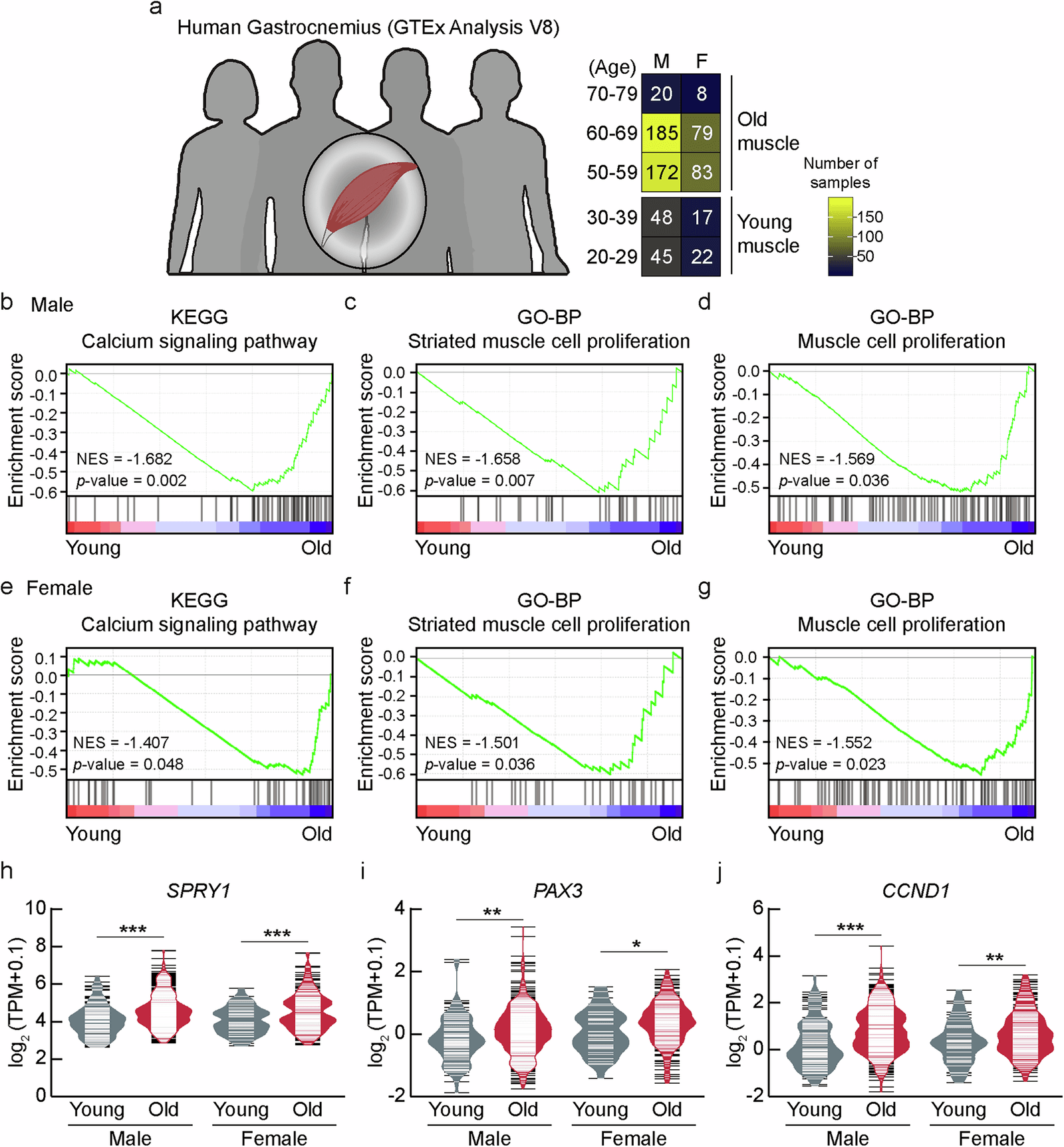
Figure 1
Figure 1From Experimental & Molecular Medicine
Cells

Calcium overload impairs muscle regeneration by driving sustained NFAT signaling

Inhibiting NFAT restored myoblast differentiation in culture and improved myofiber repair in injured mice.

Experimental & Molecular Medicine

In experiments using cultured myoblasts, mice, and human tissues, researchers investigated how calcium overload hinders skeletal muscle regeneration. Transcriptomic analysis of aged human muscle showed simultaneous activation of calcium signaling and proliferative pathways. In cultured myoblasts, excess calcium maintained proliferation under differentiation conditions, lowered myogenic markers, drove NFATc1 into the nucleus, and upregulated Ccnd1 expression. Ovariectomized mice and human calcific tendinitis samples displayed similar NFAT-associated proliferative signatures. Delivering the NFAT inhibitor VIVIT prevented NFATc1 nuclear buildup, rescued myotube formation in vitro, and promoted myofiber maturation in an in vivo mouse injury model.

Why it matters

Calcium dysregulation is a frequent feature of aging muscle weakness. Identifying this NFAT-driven pathway explains how altered calcium levels trap myoblasts in a proliferative state and block normal tissue repair.

Caveats

Key mechanistic findings were established in cell cultures and mouse models, meaning targeted NFAT inhibition requires further testing to determine its safety and efficacy in aged humans.

The paper

Pathological calcium overload impairs skeletal muscle regeneration through sustained NFAT-dependent proliferative signaling

Lee S, Cho N, Jo S et al.

Experimental & Molecular Medicine · 2 Oct 2026
Pigment Cell & Melanoma ResearchHumans

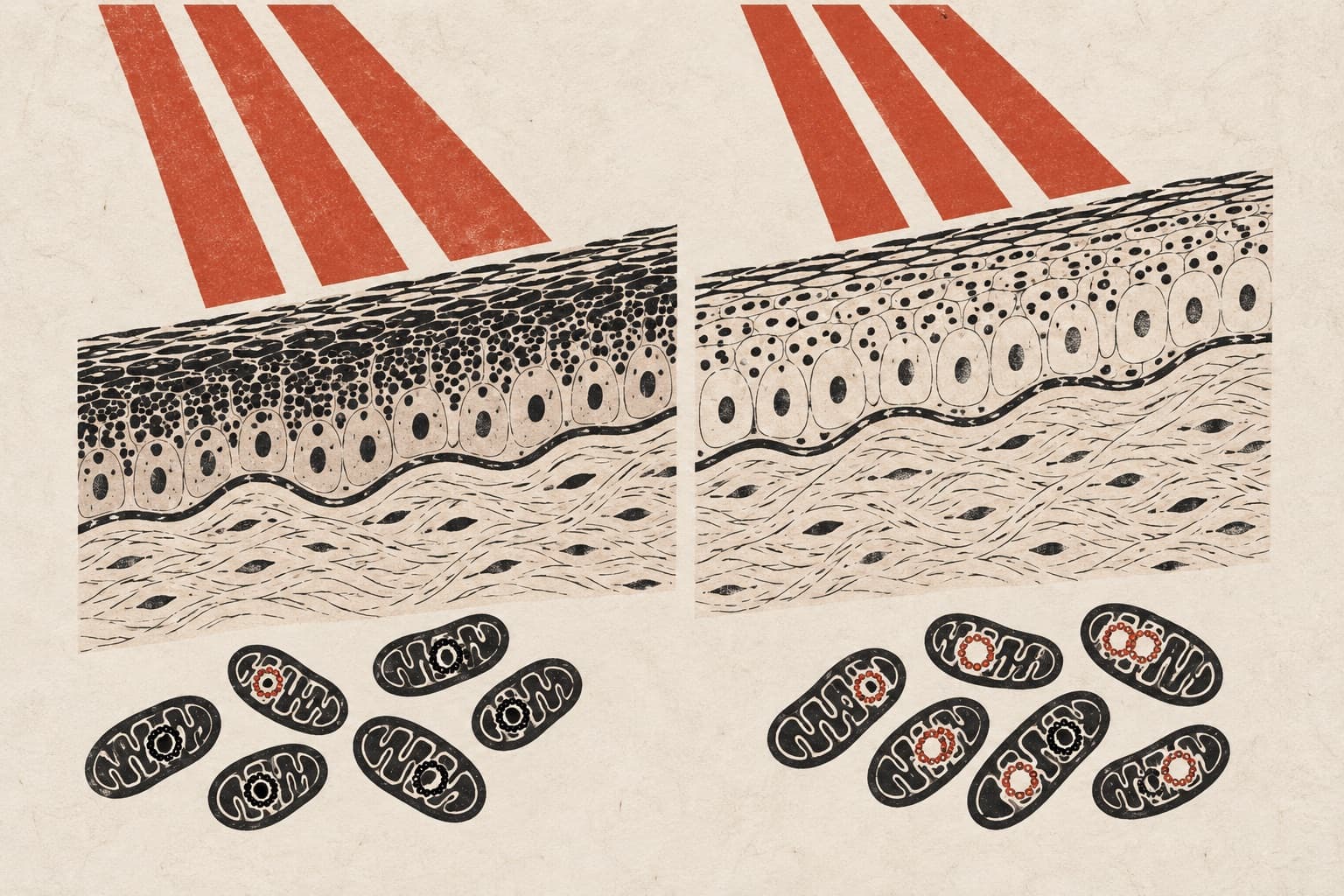
Darker skin pigmentation links to fewer mitochondrial DNA mutations from sun exposure

Melanin protects against mitochondrial genome damage and clonal expansion in chronically sun-exposed human skin.Melanin protects against mitochondrial genome damage and clonal expansion in chronically sun-exposed human skin. In an observational study of six older men, researchers analyzed how skin pigmentation influences mitochondrial DNA (mtDNA) stability under chronic sun exposure.

EMBO Molecular MedicineAnimals

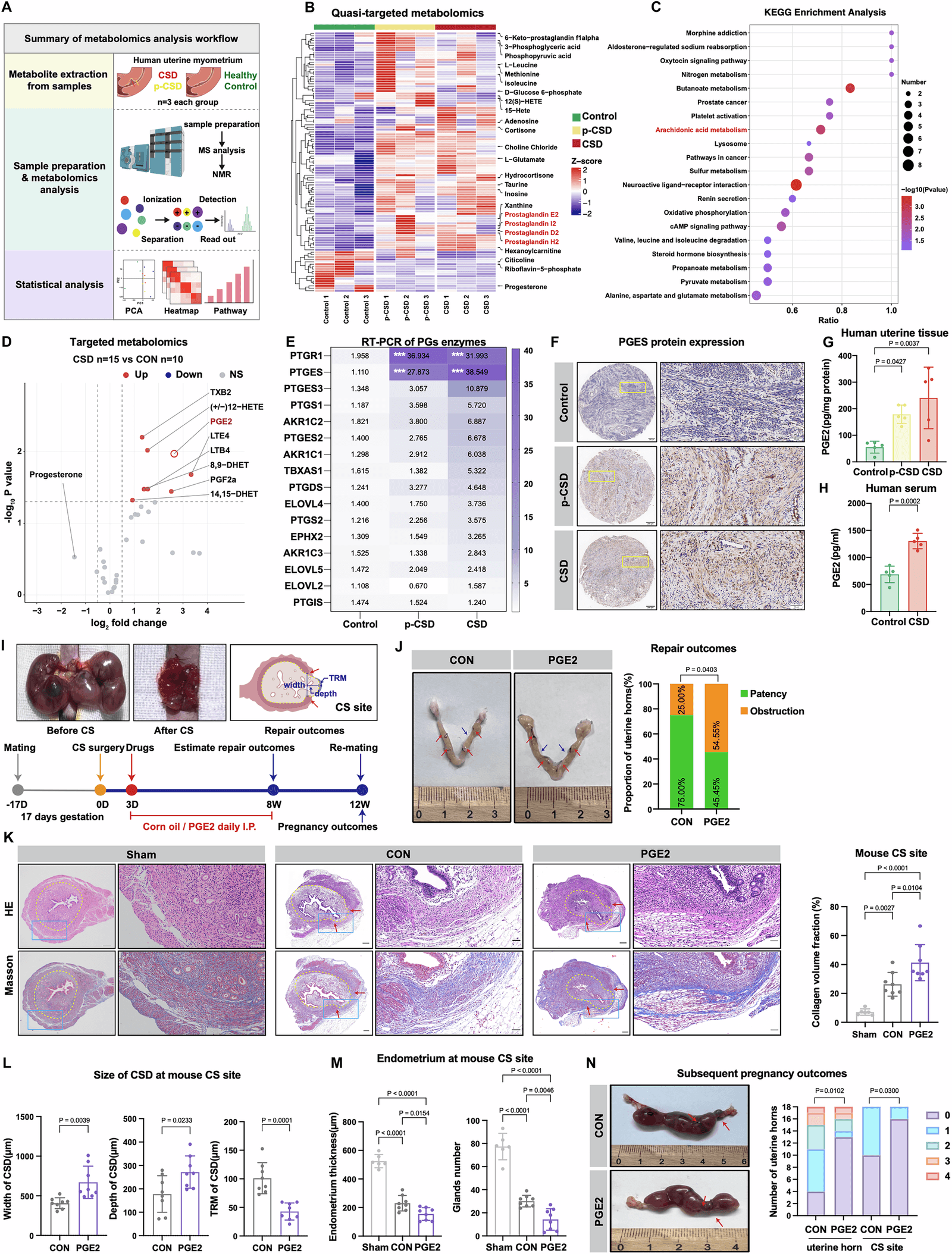
Prostaglandin E2 drives cellular senescence and scar fibrosis after cesarean section in mice

Blocking the prostaglandin E2 pathway or targeting cellular senescence reduces uterine scarring and improves tissue repair in mouse models of cesarean…Blocking the prostaglandin E2 pathway or targeting cellular senescence reduces uterine scarring and improves tissue repair in mouse models of cesarean defects. In a new mouse model of cesarean section scar defects, researchers investigated the mechanisms that disrupt uterine healing.

Figure 1
Aging CellAnimals

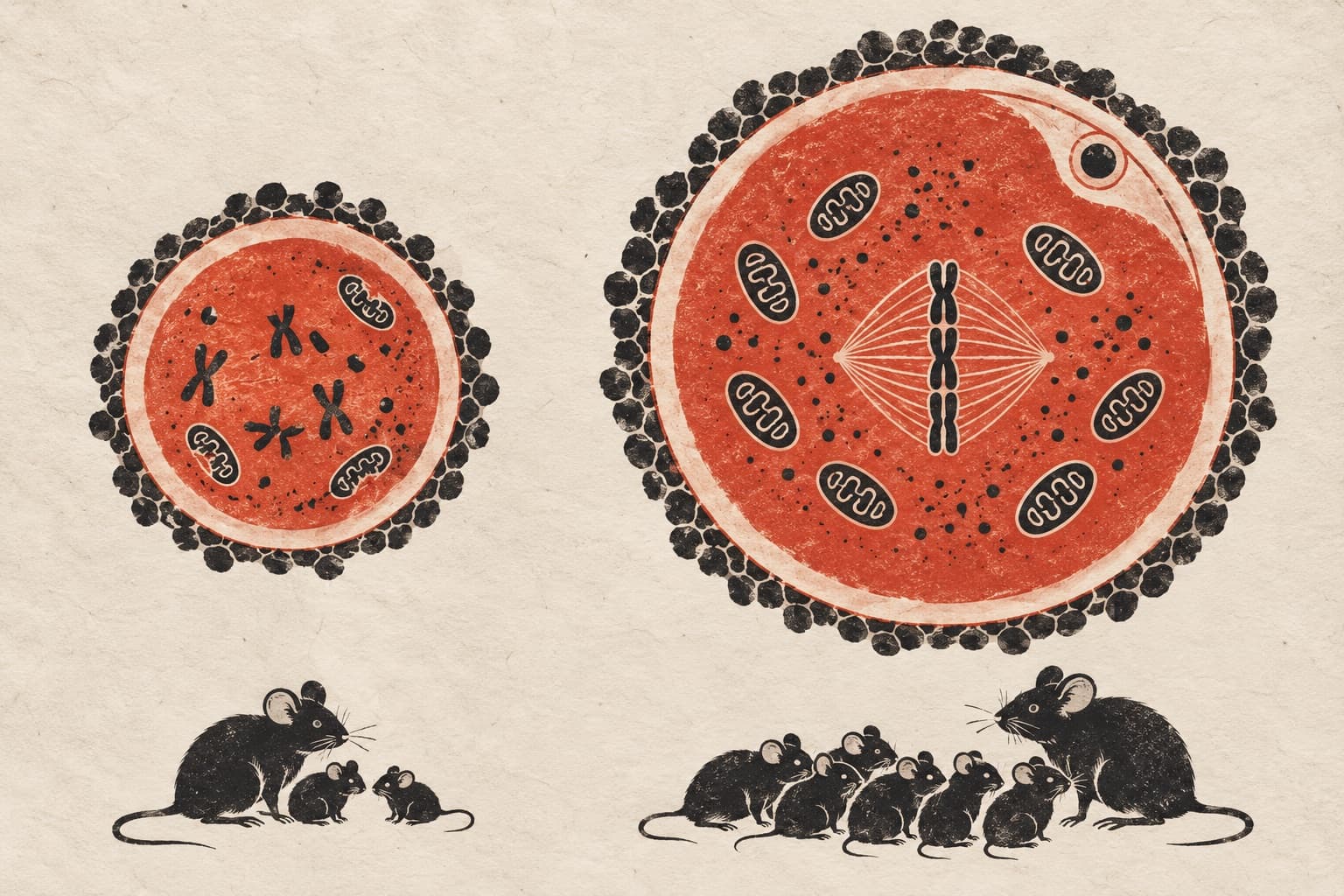
Elamipretide improves oocyte quality and restores fertility in aged mice

The peptide also boosted maturation and fertilization in aged human oocytes by activating the vitamin B6 and VEGF pathway.The peptide also boosted maturation and fertilization in aged human oocytes by activating the vitamin B6 and VEGF pathway. In female mice experiencing reproductive aging, administration of the peptide elamipretide increased litter size and ameliorated age-related declines in oocyte…

Molecular EcologyModel organisms

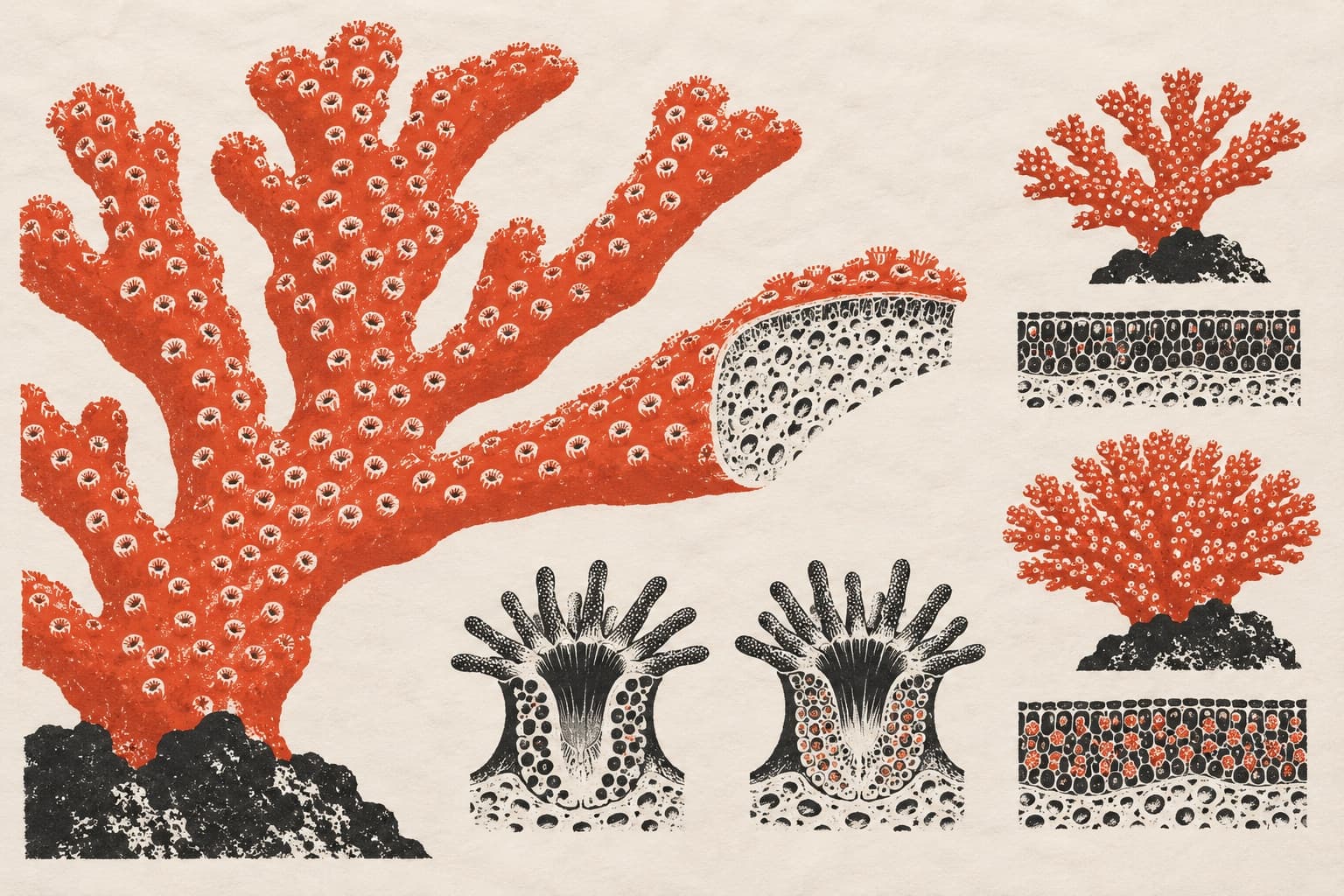
Long-lived corals accumulate somatic mutations under purifying selection as they age

Genomic analysis of Acropora palmata colonies reveals power-law mutation patterns mirroring human tissue aging and enables somatic genetic age…Genomic analysis of Acropora palmata colonies reveals power-law mutation patterns mirroring human tissue aging and enables somatic genetic age estimation. In the reef-building coral Acropora palmata, researchers tracked somatic genetic variation to understand how mutations accumulate…