Model organisms

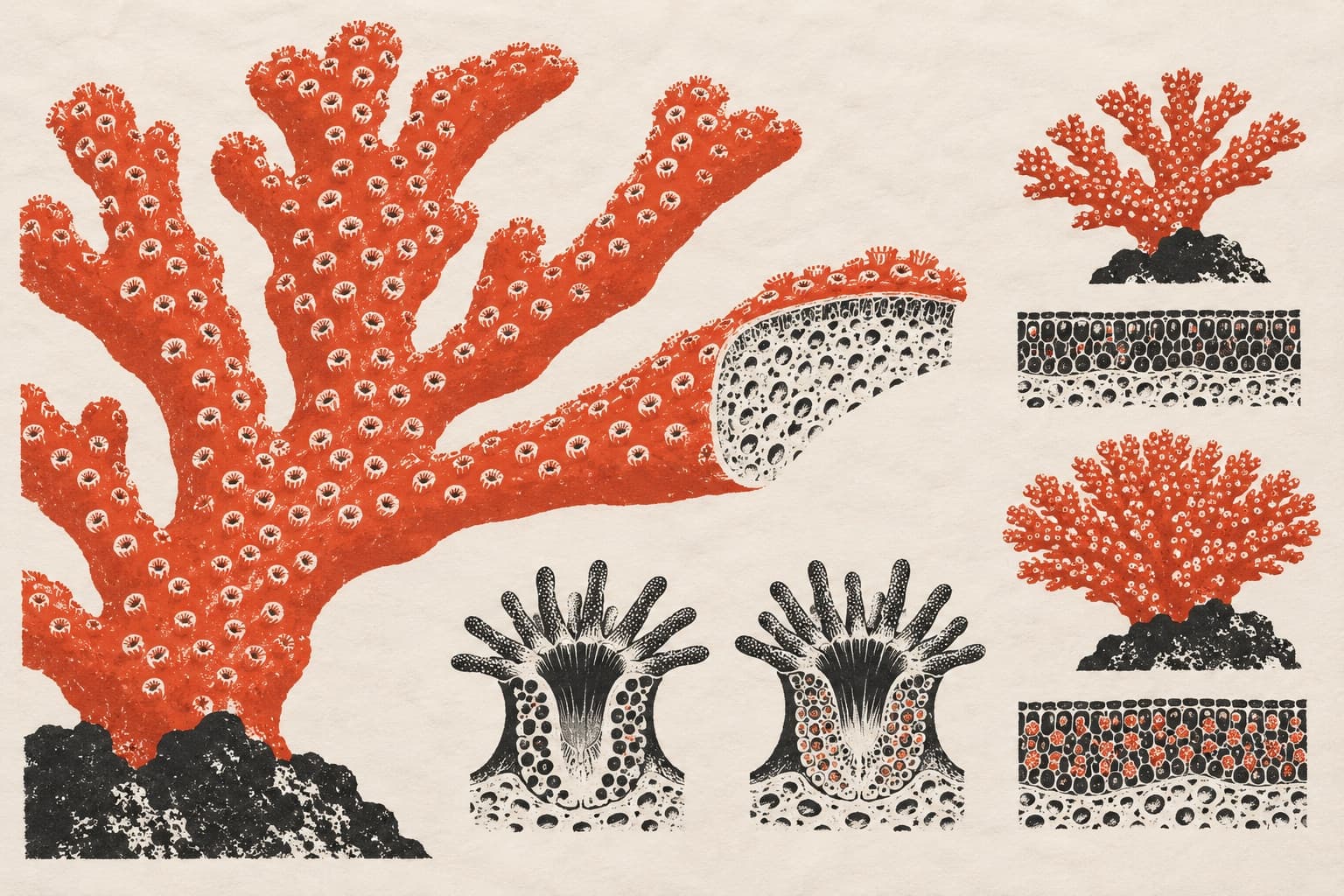
Long-lived corals accumulate somatic mutations under purifying selection as they age

Genomic analysis of Acropora palmata colonies reveals power-law mutation patterns mirroring human tissue aging and enables somatic genetic age estimation.

Molecular Ecology

In the reef-building coral Acropora palmata, researchers tracked somatic genetic variation to understand how mutations accumulate across long lifespans. The team sequenced whole genomes from eight colonies in Curaçao at 70–100× coverage to document shifts in variant allele frequencies. They observed large numbers of somatic mutations in six- to ten-year-old colonies and used inferred mutation rates to estimate the age of another colony at nearly a century old. Somatic mutations were never fixed at polyp or branch levels, maintaining frequencies below 0.5, but their allele frequencies followed a power-law distribution resembling aging human tissues. Somatic variants showed no evidence of positive selection, operating instead under purifying selection. Additionally, profiling 28 samples along a single branch using a SNP microarray revealed that physical distance within the colony did not correlate with genetic distance.

Why it matters

The shared power-law mutation distribution between modular corals and human tissues reveals conserved evolutionary features of somatic mosaicism during aging. Establishing somatic mutation rates in long-lived colonial animals also provides a molecular clock to date organisms lacking traditional chronological markers.

Caveats

The investigation examined only eight colonies of a single coral species from one geographic location. Microarray analysis of intra-branch physical distance was limited to 28 samples taken from a single colony.

The paper

Mosaic Accumulation of Somatic Genetic Variation and Estimates of Age in the Long-Lived Reef-Building Coral Acropora palmata

Conn T, Renton J, Chamberland VF et al.

Molecular Ecology · 1 Oct 2026
Pigment Cell & Melanoma ResearchHumans

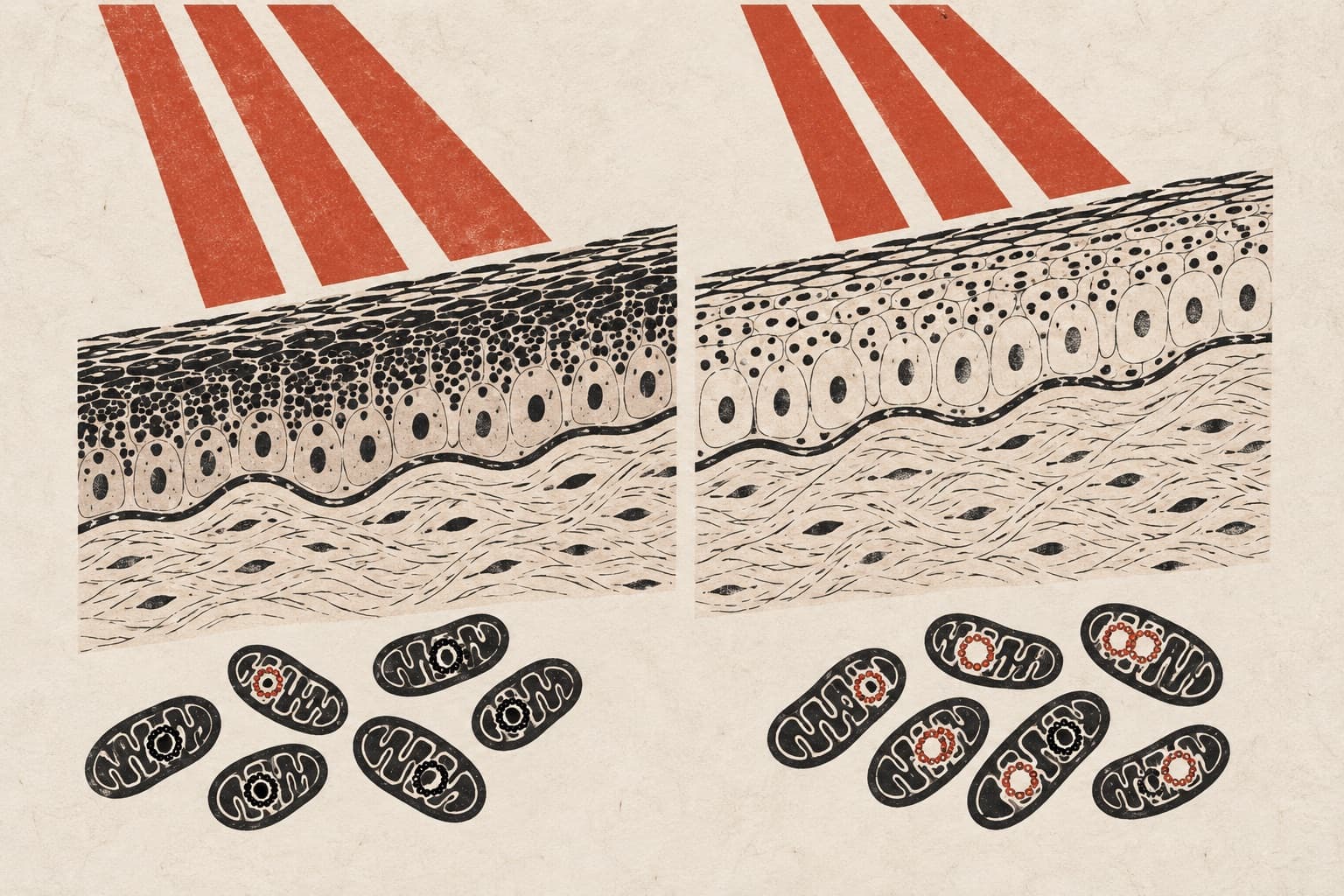
Darker skin pigmentation links to fewer mitochondrial DNA mutations from sun exposure

Melanin protects against mitochondrial genome damage and clonal expansion in chronically sun-exposed human skin.Melanin protects against mitochondrial genome damage and clonal expansion in chronically sun-exposed human skin. In an observational study of six older men, researchers analyzed how skin pigmentation influences mitochondrial DNA (mtDNA) stability under chronic sun exposure.

EMBO Molecular MedicineAnimals

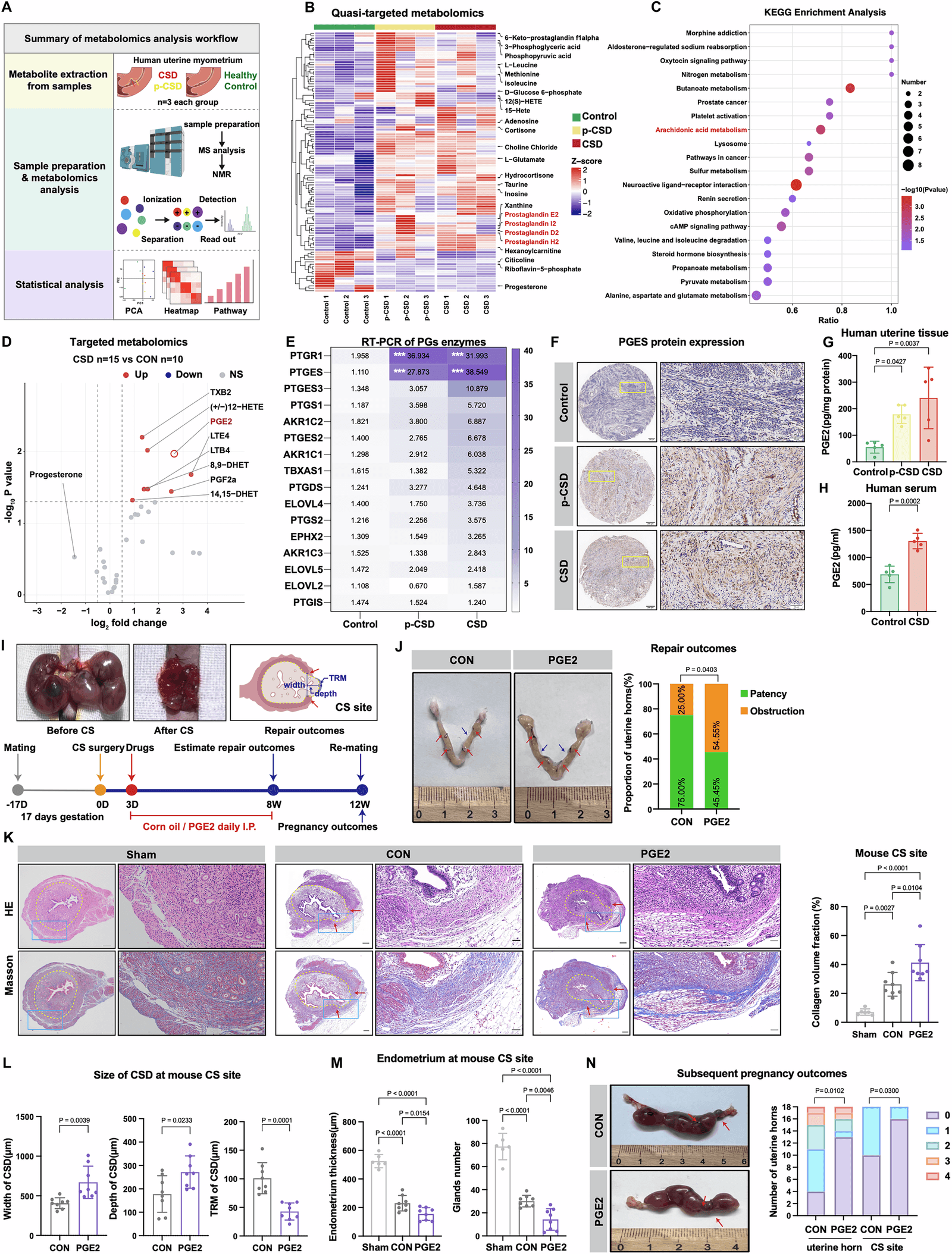
Prostaglandin E2 drives cellular senescence and scar fibrosis after cesarean section in mice

Blocking the prostaglandin E2 pathway or targeting cellular senescence reduces uterine scarring and improves tissue repair in mouse models of cesarean…Blocking the prostaglandin E2 pathway or targeting cellular senescence reduces uterine scarring and improves tissue repair in mouse models of cesarean defects. In a new mouse model of cesarean section scar defects, researchers investigated the mechanisms that disrupt uterine healing.

Figure 1
Experimental & Molecular MedicineCells

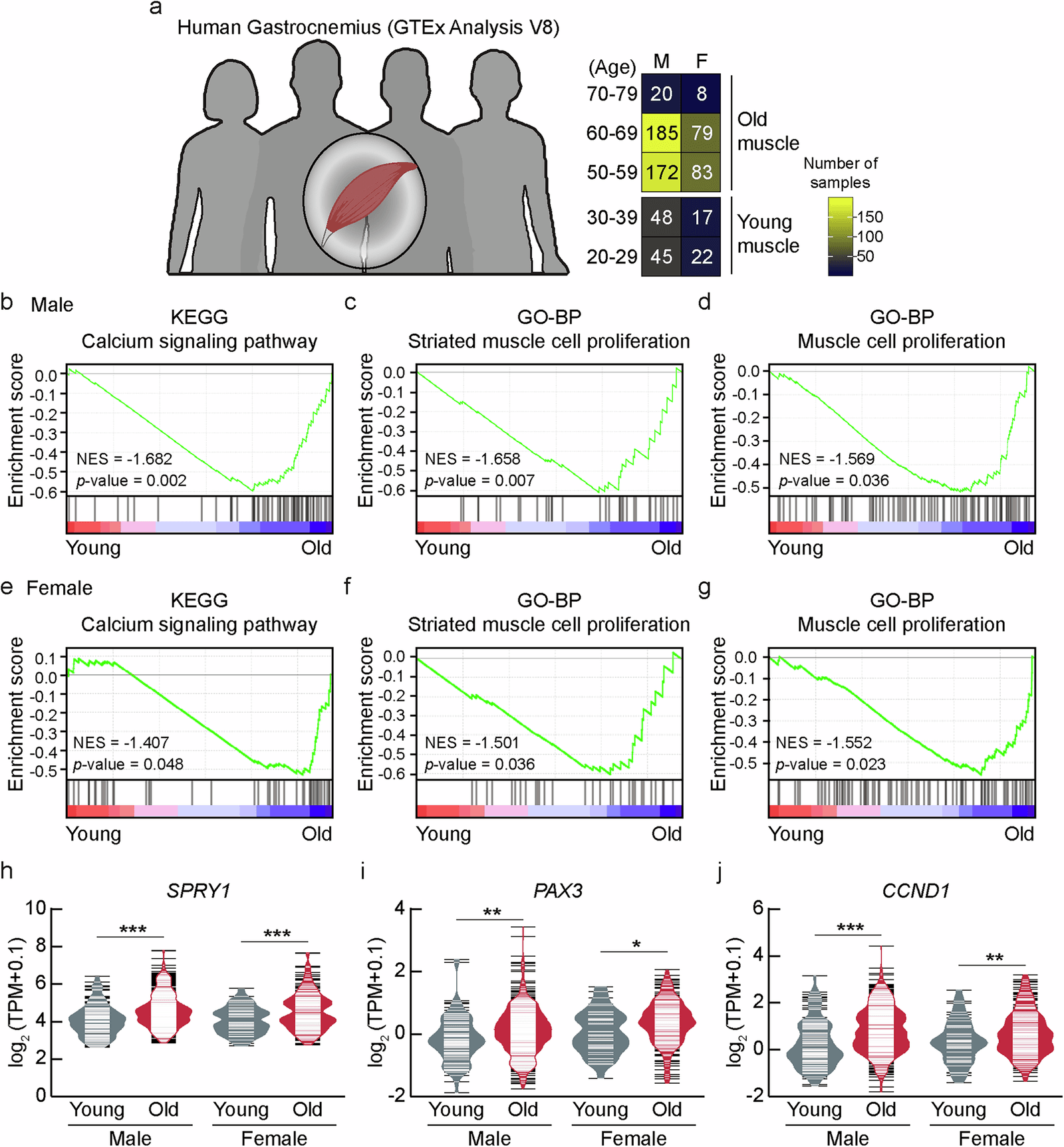
Calcium overload impairs muscle regeneration by driving sustained NFAT signaling

Inhibiting NFAT restored myoblast differentiation in culture and improved myofiber repair in injured mice.Inhibiting NFAT restored myoblast differentiation in culture and improved myofiber repair in injured mice. In experiments using cultured myoblasts, mice, and human tissues, researchers investigated how calcium overload hinders skeletal muscle regeneration.

Figure 1
Aging CellAnimals

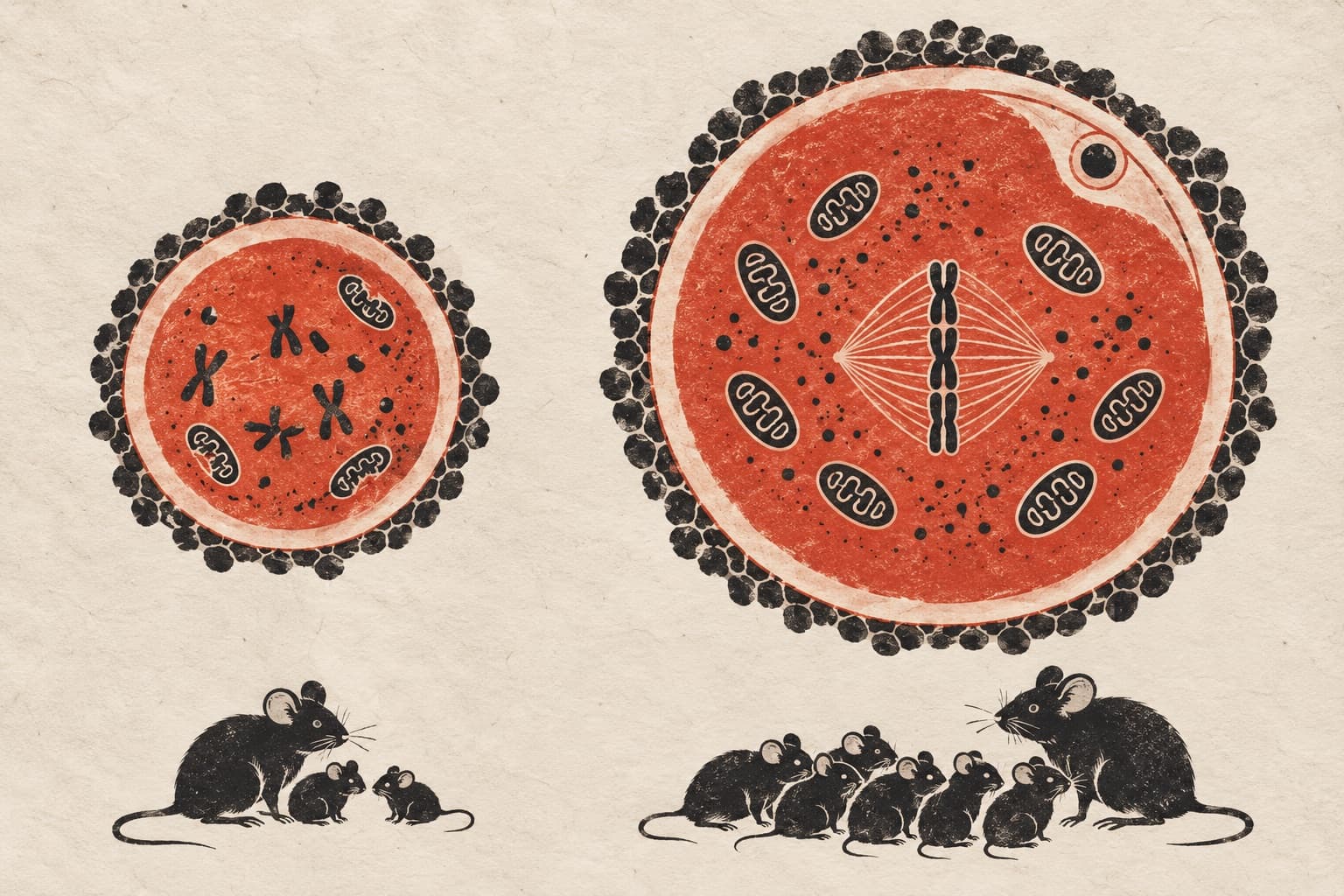
Elamipretide improves oocyte quality and restores fertility in aged mice

The peptide also boosted maturation and fertilization in aged human oocytes by activating the vitamin B6 and VEGF pathway.The peptide also boosted maturation and fertilization in aged human oocytes by activating the vitamin B6 and VEGF pathway. In female mice experiencing reproductive aging, administration of the peptide elamipretide increased litter size and ameliorated age-related declines in oocyte…